Foundation engineering in Dallas represents far more than simply placing concrete in the ground. It encompasses a comprehensive discipline of geotechnical investigation, structural load analysis, soil-structure interaction modeling, and construction oversight tailored to the unique demands of North Texas. From expansive clay soils to the region's characteristic shrink-swell cycles, every foundation must contend with subsurface conditions that can compromise structural integrity if not properly addressed. The category spans shallow systems such as slab-on-grade and strip footings, deep foundation solutions including drilled piers and driven piles, and specialized ground improvement techniques that enhance bearing capacity and mitigate settlement. For property owners, developers, and contractors alike, understanding the full scope of foundation services is critical to protecting long-term investments in a region where soil movement causes millions of dollars in structural damage annually.
The geological context of Dallas presents one of the most challenging environments for foundation design in the United States. The area sits atop the Eagle Ford Shale and Woodbine formations, overlain by highly plastic clays of the Austin Chalk and Taylor Marl groups. These soils exhibit extreme volumetric changes with moisture fluctuation, expanding when wet and shrinking during prolonged dry periods. Seasonal rainfall patterns, coupled with prolonged summer droughts, create a continuous cycle of heave and settlement that exerts tremendous stress on foundations. Additionally, the presence of natural springs, abandoned utility corridors, and variable depths to competent bearing strata complicates subsurface characterization. Without thorough geotechnical exploration and a robust pile foundation design strategy where required, structures risk differential movement, cracking, and eventual functional failure.
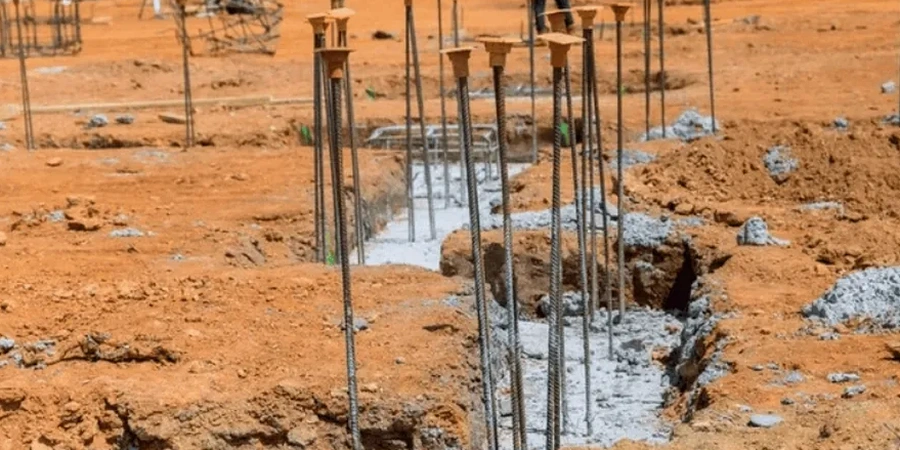
Regulatory compliance in Dallas is governed by the International Building Code as adopted by the City of Dallas, with amendments specific to Chapter 18 of the Dallas City Code. The IBC references ASCE 7 for minimum design loads and ACI 318 for structural concrete, while geotechnical investigations must adhere to ASTM standards for soil sampling, laboratory testing, and reporting. Of particular relevance, the Texas Board of Professional Engineers and Land Surveyors mandates that all foundation designs be sealed by a licensed Professional Engineer, and the City requires submission of a geotechnical report with permit applications for new construction and substantial renovations. Local amendments often address expansive soil mitigation, minimum embedment depths for piers, and post-tensioning requirements for slab-on-ground systems. These provisions directly influence how engineers approach everything from pile foundation design parameters to reinforcement detailing in grade beams.
The diversity of projects requiring specialized foundation expertise in Dallas spans the entire built environment. Residential developments, from single-family homes to multi-story apartment complexes, demand cost-effective solutions that resist expansive soil movement while meeting builder budgets. Commercial and institutional structures—office towers, hospitals, schools—require deeper foundation elements capable of sustaining heavy column loads with minimal settlement. Infrastructure projects including bridges, retaining walls, and water treatment facilities introduce additional complexities such as lateral earth pressures, scour potential, and dynamic loading. Industrial facilities with heavy equipment, storage tanks, or crane rails impose stringent deflection limits that only a carefully executed pile foundation design can satisfy. Each project type demands a tailored approach, balancing geotechnical realities with structural performance criteria and constructability constraints.
Available services
Common questions
Why are foundations in Dallas more complex than in other regions?
Dallas sits on highly expansive clay soils that undergo significant volume changes with moisture fluctuations. Seasonal wet-dry cycles cause repeated heave and settlement, exerting extreme stress on foundations. Combined with variable depth to competent bearing strata and local drainage challenges, these conditions demand specialized geotechnical investigation and engineered solutions that account for long-term soil-structure interaction.
What types of foundations are most common in the Dallas area?
Post-tensioned slab-on-grade foundations are widespread in residential construction due to their ability to resist expansive soil movement. For larger commercial and institutional projects, deep foundation systems such as drilled piers and driven piles are typical, transferring loads to more competent strata below the active zone. The choice depends on soil conditions, structural loads, and performance requirements.
When is a geotechnical investigation required for a foundation project in Dallas?
The City of Dallas requires a geotechnical report with permit applications for new construction and substantial renovations. This investigation must follow ASTM standards and be sealed by a licensed Professional Engineer. It provides critical data on soil stratigraphy, bearing capacity, swell potential, and groundwater conditions that directly inform foundation design parameters and construction specifications.
What are the signs that an existing foundation in Dallas may be failing?
Common indicators include interior and exterior wall cracks, doors and windows that stick or fail to latch, uneven or sloping floors, separation of trim from walls, and visible gaps around window frames. Externally, brick veneer cracking and foundation perimeter separation are typical. These symptoms often result from differential soil movement and warrant prompt evaluation by a foundation engineer.