Geotechnical investigation in Dallas forms the critical foundation for safe and successful construction across the Metroplex. This category encompasses a comprehensive suite of subsurface exploration techniques designed to characterize soil, rock, and groundwater conditions before any earthwork or structural design begins. In a region experiencing rapid urban growth and infrastructure expansion, understanding what lies beneath the surface is not merely a regulatory checkbox—it is an essential risk management practice that protects investments and lives. From high-rise towers in the Central Business District to sprawling residential developments in Collin County, the data gathered through proper investigation directly influences foundation design, earth retention strategies, and long-term structural performance.
Dallas sits atop a complex geological setting dominated by the Eagle Ford Shale, Austin Chalk, and Woodbine Sandstone formations, overlain by residual and alluvial soils that vary dramatically over short distances. The local stratigraphy often features expansive clay soils within the Taylor Marl and Eagle Ford groups, which are notorious for their shrink-swell behavior and can exert significant distress on shallow foundations. Seasonal moisture fluctuations in the North Texas climate exacerbate these volume changes, making thorough subsurface characterization indispensable. Additionally, the presence of variable bedrock depths, potential paleochannels, and perched groundwater tables demands investigation methods that can accurately delineate these conditions to avoid costly change orders and structural distress down the line.
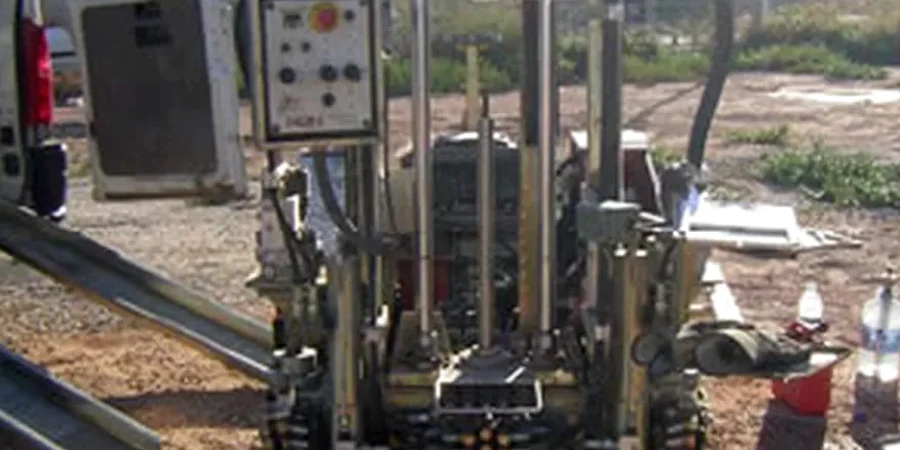
Regulatory compliance in Dallas adheres to the International Building Code as adopted by the City of Dallas, which mandates geotechnical reports for most commercial and multi-family structures. These investigations must comply with Chapter 18 of the IBC, requiring borings, sampling, and laboratory testing performed under the supervision of a licensed Professional Engineer in the State of Texas. The Texas Board of Professional Engineers and Land Surveyors governs the practice, and reports must meet the standards of care defined by the Texas Engineering Practice Act. For projects within floodplains or involving retaining walls over four feet, additional Dallas Development Code provisions apply, often requiring slope stability analyses and specific foundation recommendations certified by a geotechnical engineer.
The projects that demand comprehensive investigation span nearly every sector of the built environment. Commercial developers rely on these studies to design cost-effective foundations for office parks and retail centers, while public agencies require them for bridge abutments, roadway subgrades, and utility tunnels. Residential builders on the expansive clays of the Blackland Prairie turn to investigation data to specify appropriate slab-on-grade reinforcement or pier systems. Critical infrastructure such as DART light rail extensions and flood control levees also depends on precise subsurface models. A cornerstone of modern exploration is the CPT (Cone Penetration Test), which provides continuous profiling of soil behavior and is particularly valuable for stratigraphic logging and liquefaction assessment in the sandy deposits found along the Trinity River corridor.
Available services
Common questions
What does a typical geotechnical investigation in Dallas include?
A standard investigation includes site reconnaissance, drilling exploratory borings with standard penetration testing, sampling disturbed and undisturbed soils, laboratory index and strength testing, and groundwater observation. In Dallas, this often targets expansive clay characterization through Atterberg limits and swell testing. The resulting report provides bearing capacity, settlement estimates, and foundation recommendations tailored to local formations like Eagle Ford Shale or Austin Chalk.
How deep should borings be for a commercial building in Dallas?
Boring depths typically extend to at least 30 feet below the proposed foundation elevation, or deeper if bedrock is encountered sooner. For taller structures or where deep foundations are anticipated, borings may reach 60 to 100 feet to assess the top of competent shale or limestone. The Dallas building code requires sufficient depth to evaluate stress influence zones and potential deep-seated settlement, especially in areas with thick residual clay profiles over weathered rock.
When is a geotechnical investigation required by Dallas regulations?
The City of Dallas, through its adopted International Building Code, requires a geotechnical investigation report for all structures except one- and two-family dwellings on sites where foundation conditions are well understood. Any project requiring a building permit for commercial, industrial, or multi-family construction must submit a report signed by a Texas-licensed Professional Engineer addressing soil bearing capacity, lateral earth pressures, and groundwater conditions.
What problems do expansive soils in Dallas cause for construction?
Expansive soils, primarily the montmorillonite-rich clays of the Eagle Ford and Taylor Marl formations, undergo significant volume changes with moisture variation. This causes slab heaving, cracking, and differential movement that can severely damage foundations, pavements, and buried utilities. Investigation identifies these soils through plasticity index and swell testing, allowing engineers to prescribe mitigation like moisture conditioning, lime stabilization, or deepened foundation support.