Slope engineering in Dallas encompasses the analysis, design, and stabilization of natural and man-made inclines to prevent failures that can threaten infrastructure, property, and public safety. This category covers everything from initial slope stability analysis to the implementation of retention systems and ground reinforcement. In a region characterized by expansive clay soils and variable stratigraphy, the integrity of slopes is a critical concern for developers, municipal agencies, and property owners alike. The unpredictable shrink-swell behavior of the local soils, combined with intense rainfall events, makes proactive slope management not just a best practice but a regulatory and insurance necessity.
Dallas sits atop the Eagle Ford Shale and the overlying Austin Chalk formations, but most near-surface slope issues involve the stiff, fissured clays of the Taylor Marl and Quaternary alluvial deposits. These high-plasticity clays are notorious for their low shear strength when saturated and their susceptibility to erosion. Cut slopes in these materials can degrade rapidly if not properly graded and protected, while fill slopes require rigorous compaction control to avoid differential settlement. Understanding the local geomorphology—including the subtle escarpments along the White Rock Creek and Trinity River corridors—is essential for accurate slope stability analysis and the design of effective stabilization measures.
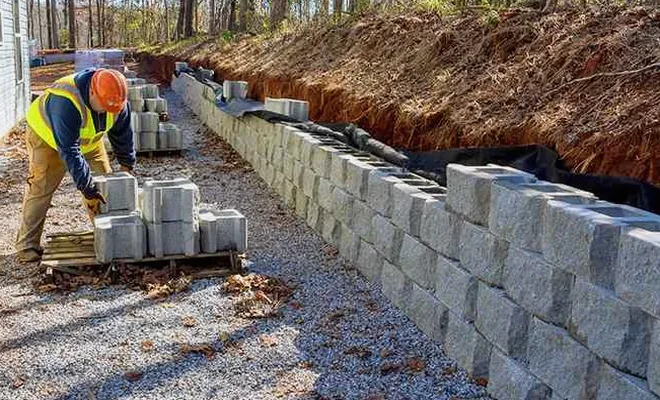
Regulatory compliance in Dallas is driven by the International Building Code (IBC) as adopted by the City of Dallas, which mandates geotechnical investigations for slopes exceeding certain heights or located near structures. Chapter 18 of the Dallas City Code enforces strict standards for excavation, grading, and erosion control, requiring permits for any activity that alters drainage patterns or removes vegetation on slopes steeper than 3:1. Additionally, the Texas Commission on Environmental Quality (TCEQ) oversees stormwater discharge from construction sites, making erosion control plans a mandatory component of slope projects. These regulations ensure that slope designs meet minimum factors of safety against sliding and bearing capacity failure, often necessitating engineered solutions like retaining wall design when space constraints preclude gentle grading.
Projects requiring slope engineering services range from residential lot development on hillside terrains to large-scale transportation corridors like the Dallas North Tollway expansion. Commercial developments with deep basements, bridge abutments, and stormwater detention basins all demand rigorous slope evaluations. In many cases, the combination of steep cuts and adjacent property lines makes conventional slope flattening impossible, driving the need for active/passive anchor design to reinforce existing ground or stabilize retaining structures. Even post-construction, forensic investigations of slope distress—manifested as tension cracks, slumping, or retaining wall tilting—fall under this category, requiring advanced monitoring and remediation techniques to restore stability and prevent catastrophic failure.
Common questions
What are the early signs of slope instability that property owners should watch for?
Early indicators include tension cracks in the ground parallel to the slope crest, leaning or tilting trees and fence posts, sudden appearance of seeps or wet spots on the slope face, and bulging at the toe. Inside structures, watch for sticking doors, diagonal wall cracks, or separation of patio slabs from the foundation, which may signal slope movement affecting the building.
How does the expansive clay soil in Dallas affect slope stability?
Dallas clays experience significant volume changes with moisture fluctuation, shrinking during droughts and swelling after rains. This cyclic movement weakens the soil structure over time, reducing shear strength. When saturated, these clays can lose cohesion entirely, leading to shallow sloughing or deeper rotational failures, especially on older slopes not designed to modern drainage standards.
What permits are required for slope grading or stabilization work in Dallas?
A grading permit from the City of Dallas Building Inspection Division is typically required for cuts or fills exceeding two feet in depth or height, or any work on slopes steeper than 3:1. The application must include a geotechnical report with stability analysis, signed engineering plans, and an erosion control permit addressing TCEQ stormwater requirements before construction begins.
Can vegetation alone stabilize a slope, or are engineered solutions always necessary?
While native vegetation with deep root systems helps control surface erosion and manage moisture, it rarely provides sufficient reinforcement for deep-seated stability in Dallas clays. Engineered solutions like soil nails, retaining walls, or subsurface drainage are often required to address the underlying shear strength deficiencies, with vegetation used as a complementary protective measure.